
The American Transportation Research Institute's 2026 Operational Costs of Trucking report put the industry-average cost of running a truck at $2.336 per mile in 2025 — up 3.4% and the highest in the report's history. Strip out fuel and it is $1.854 per mile, up 4.2%.
Insurance was 10.6 cents of that, up 3.9% over the prior year. Then, in the first quarter of 2026, insurance premiums rose another 6.4% — the steepest jump of any line item ATRI tracks, at a time when most other categories moved about 2% and tire costs actually fell 4.8%.
Here is why that matters more than the raw number suggests: of all the big costs in your operation, insurance is the one most responsive to decisions you control.
Where the money actually goes
ATRI's 2025 per-mile breakdown:
| Cost | Per mile | Change |
|---|---|---|
| Driver wages | $0.818 | sub-inflationary |
| Driver benefits | $0.210 | +6.6% |
| Fuel | $0.480 | +$0.001 |
| Truck purchase or lease | $0.280 | — |
| Repair and maintenance | $0.220 | +8.6% |
| Trailer purchase or lease | $0.120 | — |
| Insurance premiums | $0.110 | +3.9% |
| Tires | $0.050 | +6.4% |
| Tolls | $0.043 | +13.2% |
| Permits and licenses | $0.008 | — |
Insurance is not the largest line. It is the one with the widest spread between carriers running the same lanes in the same equipment — which is another way of saying it is the one where your own record shows up most directly in the price.
Geography matters too, but less than people assume. ATRI found insurance ran about 12 cents a mile in the Northeast against 10 cents in the Midwest. Overall operating cost was highest in the Northeast at $2.52 a mile and lowest in the South-Central region at $2.23.
Why premiums keep climbing
Three things are pushing in the same direction.
Verdict severity. Jury awards above $10 million have reshaped how insurers price trucking risk, and the excess layers have been hit hardest. We covered the mechanics in nuclear verdicts explained — the short version is that severity, not frequency, is driving the market.
Capacity leaving the market. Several insurers have reduced their participation in commercial trucking or exited it. Fewer competitors bidding on your renewal is its own kind of rate increase.
Thin margins everywhere else. ATRI found operating margins below 1.0% for truckload and refrigerated carriers, 4.0% for tank, and an average operating loss of -0.5% for flatbed. Only LTL and fleets over 1,000 trucks held healthy margins. Carriers cut truck counts 2.4% — the largest capacity reduction since the freight recession began in 2022 — left about 10% of trucks unseated, and cut non-driver staffing 7.8%. When there is no slack left in the budget, a 6.4% insurance increase lands hard.
A note on timing: ATRI's Q1 data made insurance the fastest-rising cost of early 2026. Diesel has since spiked sharply, which changes the ranking but not the underlying point — fuel is set by global markets, and insurance is set substantially by your file.
What underwriters actually price on
When your renewal comes back higher, these are the inputs behind it:
- CSA BASIC percentiles, especially Unsafe Driving and Hours-of-Service Compliance. These are visible to underwriters before you say a word.
- Loss runs — your claims over three to five years. Frequency of small claims can hurt you as much as one large one, because frequency predicts future severity.
- Crash preventability. An unpreventable crash on your record that you never challenged still reads as a crash. FMCSA's Crash Preventability Determination Program exists for this.
- Driver experience and turnover. High turnover means more unfamiliar drivers in your equipment. It is one of the strongest predictors underwriters use.
- MVR quality at hire and on renewal, and whether you actually act on violations you find.
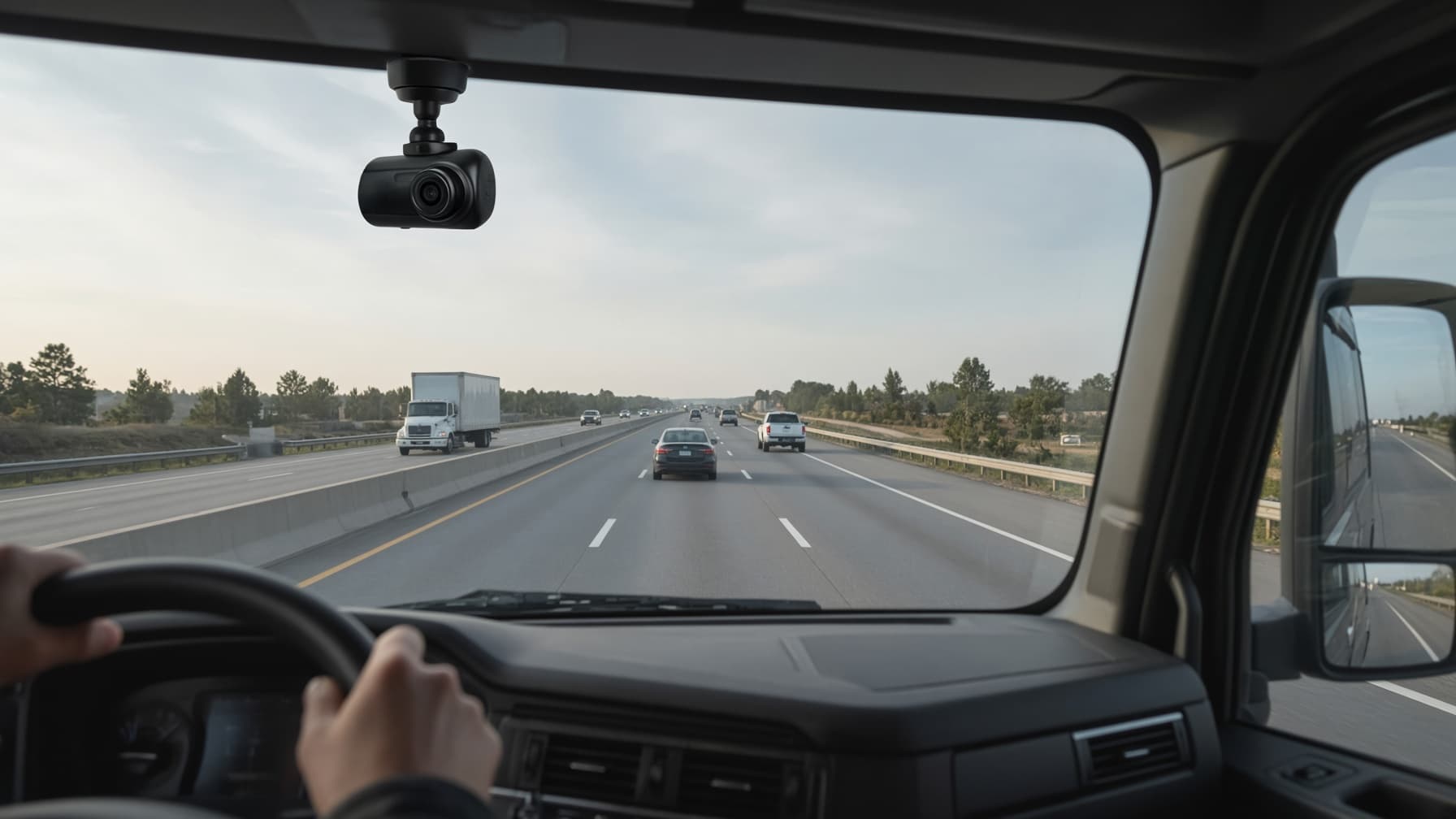
- Telematics and cameras, and more importantly whether you use the data to coach. See dash cams and trucking liability for the trade-offs.
- Radius of operation, commodity, and equipment age.
- Your documentation itself. A carrier that can produce clean driver qualification files, training records and maintenance records on request presents as a lower-severity risk, because those files are what a defense attorney will have to work with.
What to do before your next renewal
- Start 90 to 120 days out. A broker who gets your submission two weeks before expiration cannot market it properly, and a rushed submission gets priced conservatively.
- Pull your own CSA data and fix what is fixable. Request data reviews through FMCSA's DataQs system for violations that are wrong. This takes weeks, so it has to start early.
- Challenge crashes through the Crash Preventability Determination Program where the facts support it.
- Clean up the driver qualification files before anyone asks. Our DQ file checklist is the working list.
- Bring a story, not just a loss run. If you had a bad claim year, show what changed since: the coaching program, the camera rollout, the hiring standard you raised. Underwriters price uncertainty, and evidence reduces it.
- Ask what a higher deductible does to the premium, and whether you can actually absorb it. Sometimes the savings are real; sometimes they just move risk onto a balance sheet that cannot take it.
- Get your MCS-150 and vehicle counts right. Wrong data produces wrong quotes and creates problems at audit.
- Do not shop on price alone. A cheap policy from a carrier that fights every claim is expensive the day you need it.
Quick answers
How much is trucking insurance per mile? ATRI's 2025 industry average was 10.6 cents per mile, about 12 cents in the Northeast and 10 cents in the Midwest. Owner-operators running their own authority typically sit well above the fleet average.
Why did my premium go up when I had no claims? Market-wide severity trends and insurers leaving the segment raise the base rate for everyone. Your record affects where you sit relative to that base, not the base itself.
Does a dash cam lower my premium? Sometimes directly, more often indirectly, by reducing claim severity and giving you defensible evidence. Some insurers offer explicit credits — ask.
What is the single highest-leverage thing to fix? Driver turnover, followed by hours-of-service violations. Both are visible, both are fixable, and both predict future claims.