
The Fourth of July weekend kicks off the busiest stretch of the trucking calendar. Freight volumes climb, construction zones multiply, and roads fill with vacation traffic and seasonal drivers. For fleet owners, that combination means one thing: your exposure to accidents, roadside violations, and lawsuits is higher in July than at almost any other point in the year.
And the stakes have never been bigger. "Nuclear verdicts" — jury awards over $10 million — have pushed insurance premiums up and put a target on the back of every carrier, regardless of fault. When a plaintiff's attorney comes after your fleet, the case is rarely won on the road. It's won in your records.
Why summer separates prepared fleets from exposed ones
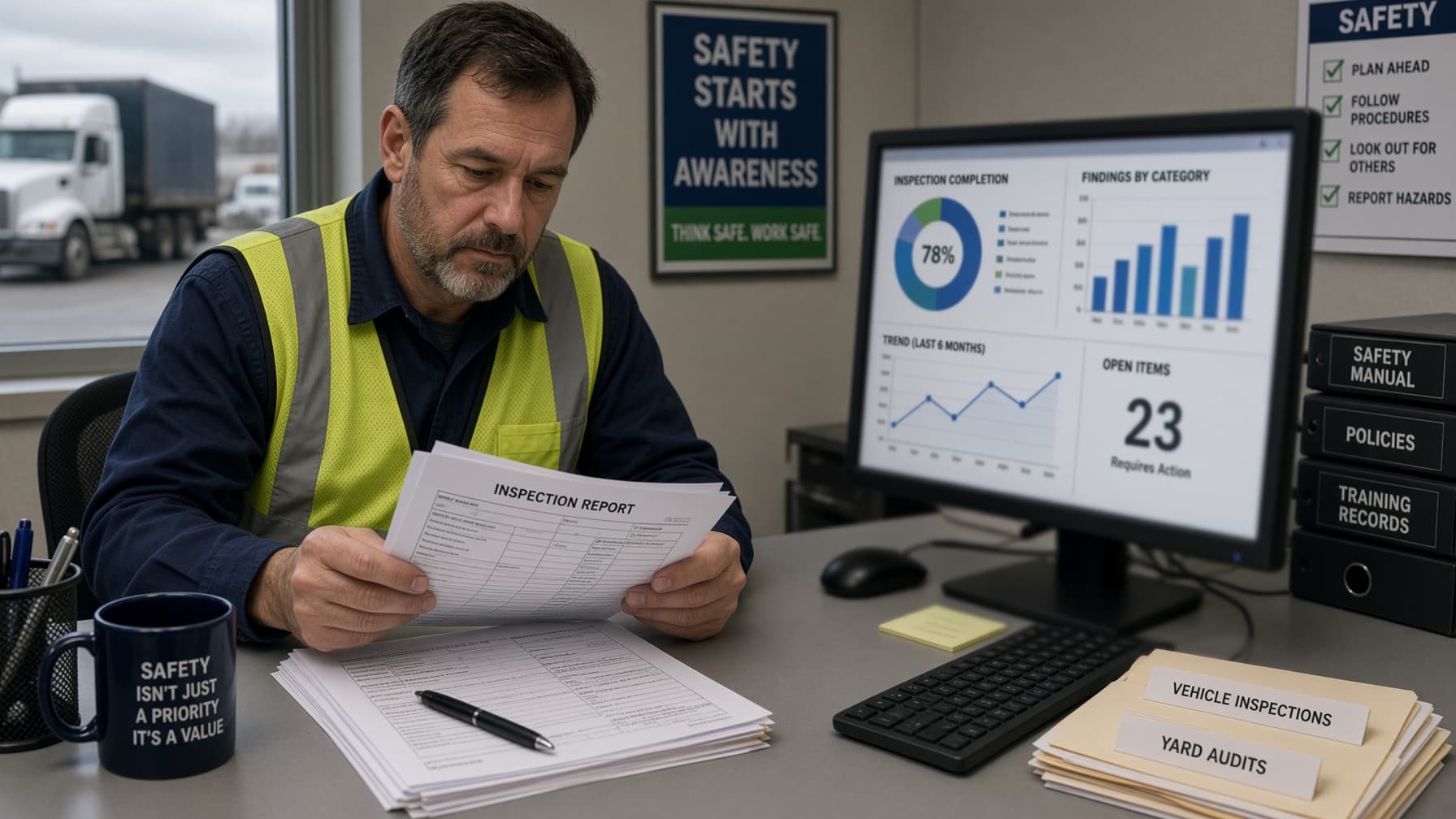
The carriers that come through summer unscathed aren't lucky — they're organized. Every training certificate, inspection, medical card, and incident report is logged, timestamped, and one click away. The carriers that get hammered are the ones digging through filing cabinets and inbox threads while a 30-day discovery clock ticks down.
That gap is organizational, not financial. When safety records are scattered across spreadsheets, email, and a glovebox, nobody can produce them quickly. When they live in one organized, timestamped place, they're ready before the summons ever arrives.
Three moves to make before the summer rush peaks
1. Know which drivers are your real risk. Weigh accident history, violations, training status, and tenure together to surface the handful of drivers most likely to cost you this season — so you can coach them before, not after, the incident.
2. Close your compliance gaps now. Expiring CDLs, lapsed medical certificates, and overdue annual reviews are the first thing an auditor — or an opposing attorney — looks for. Track every expiration date and assign refresher training before the rush, so nothing slips through during your busiest weeks.
3. Have your defense file ready before you need it. If an accident does happen, you should be able to pull every relevant record — driver file, training history, inspections, maintenance — into one organized package quickly. Served on Friday? Your attorney should have everything by Monday.
Don't spend the summer hoping nothing goes wrong
Hope isn't a safety program. The fleets that sleep well in July are the ones that can produce a complete, timestamped record for any driver, truck, or incident on demand.